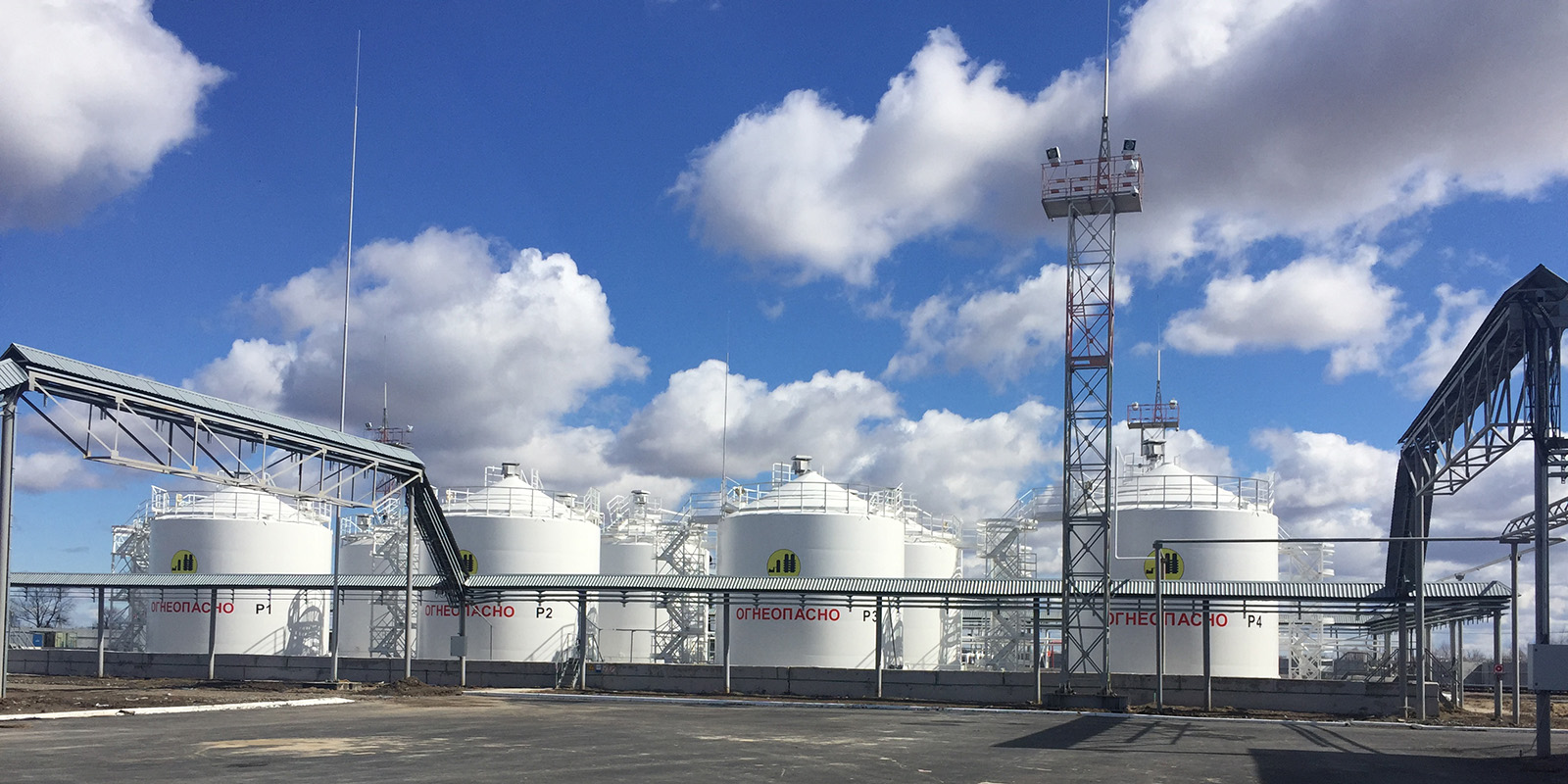
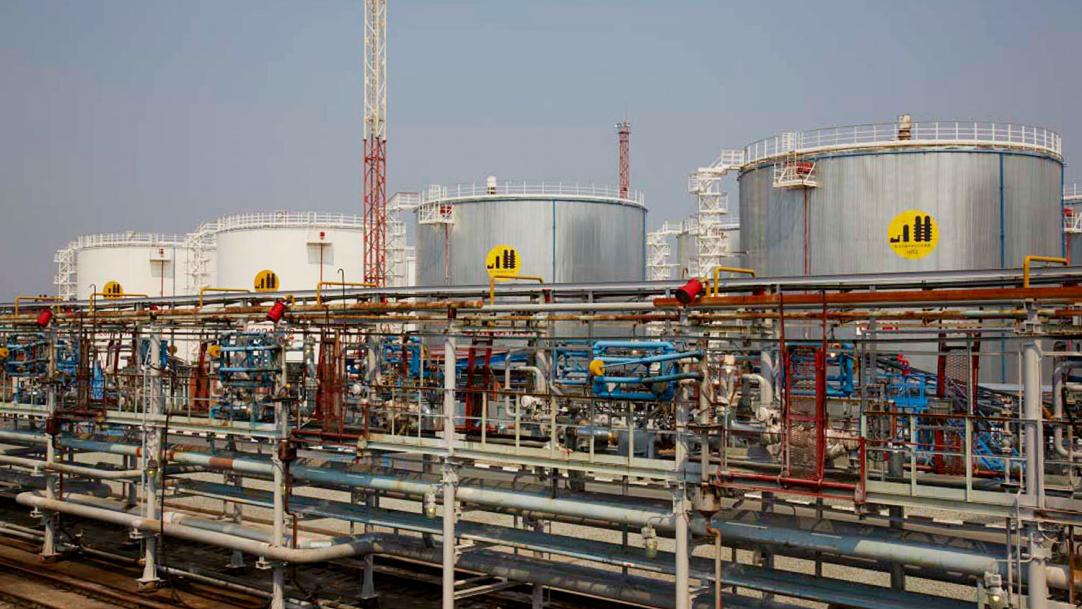
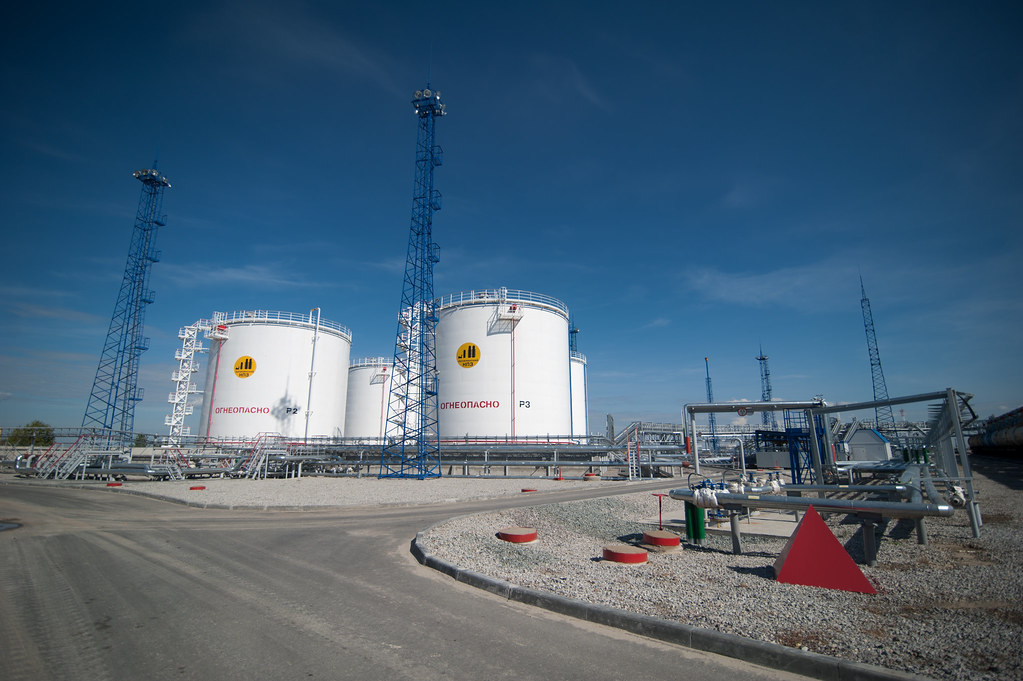
🛢 Storage Facilities
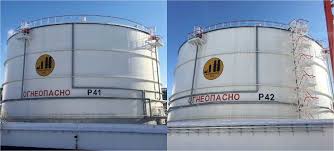
Strategic petroleum storage infrastructure spanning Russia's coastlines — from the Arctic Barents Sea to the Pacific, Black Sea, Baltic, and Caspian ports — ensuring reliable global supply and export capabilities.
3,550,000
Total Capacity
8
Port Terminals
172
Storage Tanks
5
Seas Covered
⚓ Novorossiysk
Krasnodar Krai
Russia's largest oil export terminal on the Black Sea. Primary gateway for crude oil and petroleum products to Mediterranean, Middle Eastern, and Asian markets via the Bosphorus Strait.
🏗️ Primorsk
Leningrad Oblast
Russia's largest Baltic oil terminal and the endpoint of the Baltic Pipeline System (BPS-1). Handles the majority of Russian crude exports to Northwestern Europe.
🚢 Ust-Luga
Leningrad Oblast
Modern deep-water port on the Gulf of Finland. Endpoint of BPS-2, rapidly expanding to become a major hub for refined product exports to European and global markets.
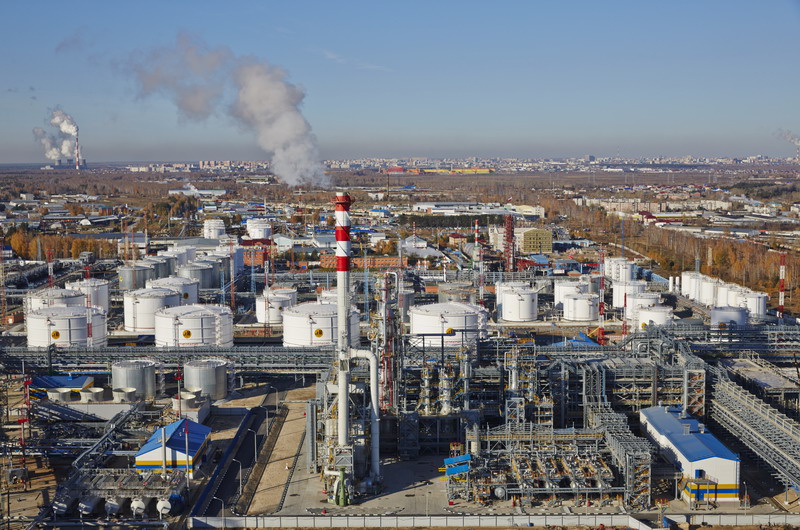
🧊 Murmansk
Murmansk Oblast
Russia's only ice-free Arctic port. Strategic hub for Northern Sea Route operations and year-round exports to European and Asian markets. Supports supertanker loading via offshore terminals.
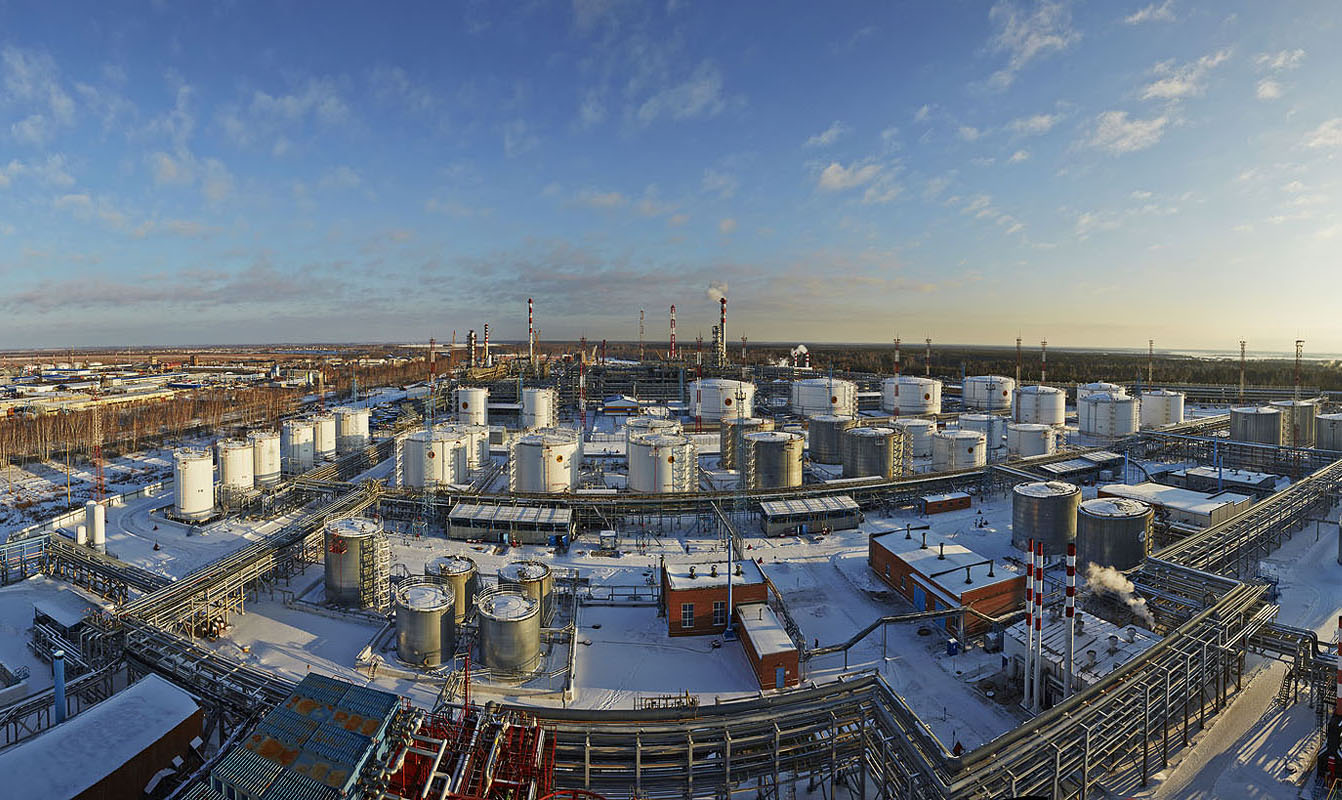
🏛️ Saint Petersburg
Saint Petersburg
Historic Baltic Sea port serving as a strategic distribution point for refined petroleum products to Northern European and Scandinavian markets.
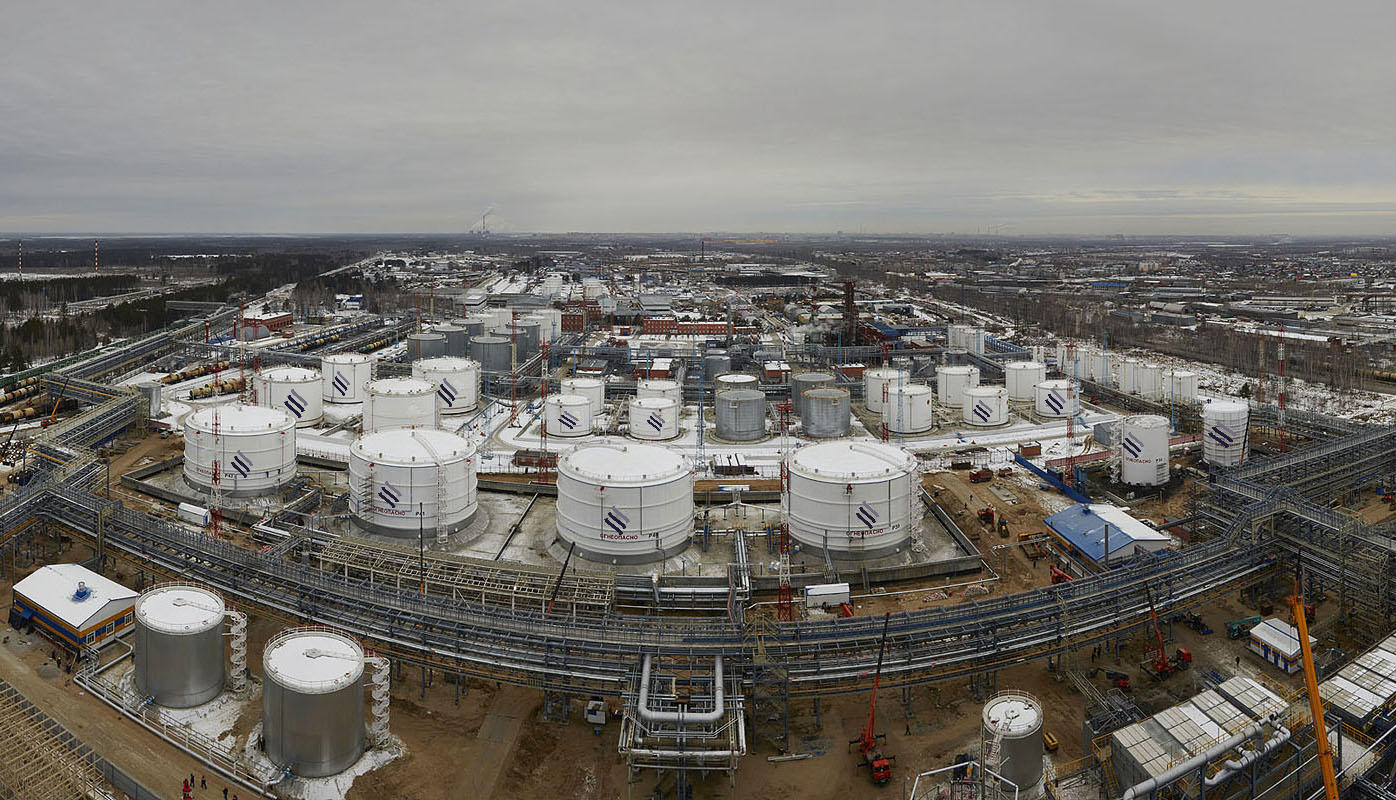
🌊 Kozmino
Primorsky Krai
Pacific coast terminal and endpoint of the Eastern Siberia–Pacific Ocean (ESPO) pipeline. Primary export facility for crude oil to Asia-Pacific markets including China, Japan, and South Korea.
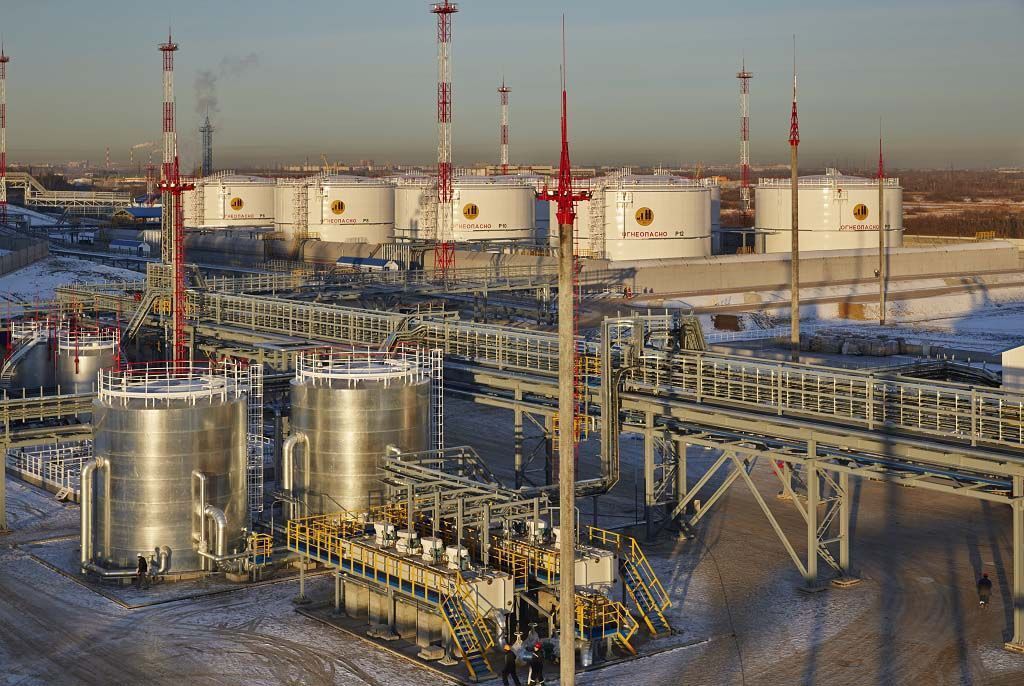
⛰️ Tuapse
Krasnodar Krai
Black Sea port with integrated refinery operations. Handles refined product exports and serves as a backup terminal to Novorossiysk for Mediterranean-bound shipments.
🏜️ Astrakhan
Astrakhan Oblast
Caspian Sea gateway on the Volga River delta. Supports oil exports to Iran, Azerbaijan, Kazakhstan, and Turkmenistan via the Caspian shipping routes.
Combined Network Capacity
3,550,000
🛢 barrels across 8 strategic ports • 172 tanks • 5 seas